Big Bear Alpine Zoo recently celebrated one of the most rewarding outcomes of its wildlife rehabilitation program with the successful release of four animals back into the wild following treatment and care by the Zoo’s rehabilitation team.
Each animal arrived at the Zoo in need of assistance and received individualized care designed around one goal: giving it the best possible opportunity to recover and return to its natural habitat. Zoo staff monitored the animals throughout their rehabilitation, providing appropriate nutrition, veterinary and supportive care, and an environment that allowed them to regain the health, strength, and behaviors necessary for life in the wild.
Wildlife rehabilitation requires staff to balance providing necessary care with limiting unnecessary human interaction. For animals that may eventually be released, maintaining natural behaviors and avoiding habituation to people are important parts of preparing them for a successful return to the wild.
Once the four animals were determined to be healthy and ready for release, they were returned to appropriate natural environments where they could resume life on their own.
The releases reflect the heart of the Big Bear Alpine Zoo’s mission. Unlike a traditional zoo, the facility has a strong focus on the rehabilitation of injured, orphaned, and displaced wildlife, with release back into the wild representing the preferred outcome whenever an animal can safely survive on its own.
Not every animal brought to the Zoo is able to return to the wild, which makes a successful release especially meaningful. It represents the culmination of the time, expertise, patience, and care provided by the Zoo’s rehabilitation staff from the moment an animal arrives through the day it is ready to leave.
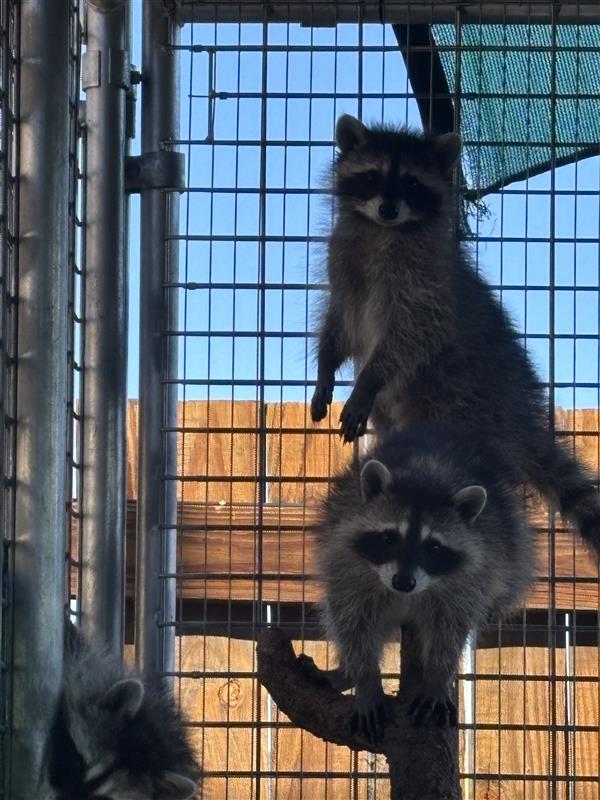
Among the recently rehabilitated wildlife were two raccoons, pictured during their time in the Zoo’s care. Their recovery is a visible example of the important rehabilitation work taking place behind the scenes at Big Bear Alpine Zoo every day.
Successfully returning four animals to the wild is more than an operational accomplishment. It is a direct measure of the Zoo’s commitment to wildlife conservation, rehabilitation, and animal welfare, and another opportunity for native wildlife to return where it belongs.